
Introduction
Most people don't approach lender reviews wondering about corporate structure or product catalogs. They approach them with a specific question: will this lender's terms help or hurt my financial position? That's the question this Reprise Financial Review addresses.
When considering any lender, understanding the broader financial landscape matters. The median household income in the U.S. was $80,610 in 2024 according to the Bureau of Labor Statistics — a figure that helps put borrowing capacity and repayment obligations into perspective. Whether a lender's offerings align with your situation depends on details only you can assess, but the framework for evaluation remains consistent.
This review breaks down what Reprise Financial offers, who it serves best, and how its terms compare to alternatives in the market. The information here is for educational purposes. It does not constitute financial advice, and it cannot replace a conversation with a licensed financial professional about your specific circumstances. For those looking to understand how borrowing fits into a broader financial strategy, resources like How to Build Investment Accounts That Match Your Goals can provide additional context on aligning financial tools with objectives.
The sections that follow examine Reprise Financial's key features, pricing structure, ideal borrower profiles, and how it stacks up against other lenders. The goal is getting you in the right range to make an informed decision, not making that decision for you.
Quick Verdict
Reprise Financial operates in a lending space that requires careful evaluation, but the available information about this lender is limited. What we do know is that any borrowing decision should be grounded in your actual financial capacity — and understanding where you stand relative to broader benchmarks matters. The median household income in the U.S. was $80,610 in 2024 according to the Bureau of Labor Statistics, which provides a useful reference point when assessing whether a lender's terms align with your income and repayment ability.
The challenge with Reprise Financial is straightforward: without transparent, publicly available details about loan terms, interest rate ranges, fee structures, or borrower eligibility requirements, it's difficult to make an informed comparison. A lender's value proposition depends on specifics — APR ranges, origination fees, repayment flexibility, and customer service quality. When those details aren't readily accessible, you're operating without the framework you need.
For most borrowers, the right lender is the one whose terms you can verify, whose fee structure you can map against your budget, and whose customer service track record you can research. If Reprise Financial doesn't provide that level of transparency upfront, you'll need to ask for it directly — or consider alternatives where the information is already public. The math on borrowing isn't complicated: you need to know the total cost, the payment schedule, and what happens if your circumstances change. A lender that makes those answers easy to find is a lender worth considering.
If you're evaluating borrowing options as part of a broader financial strategy, understanding how to build investment accounts that match your goals can help you see where debt fits into your overall plan. Borrowing should serve a specific purpose within a framework, not replace one.
Key Features of Reprise Financial
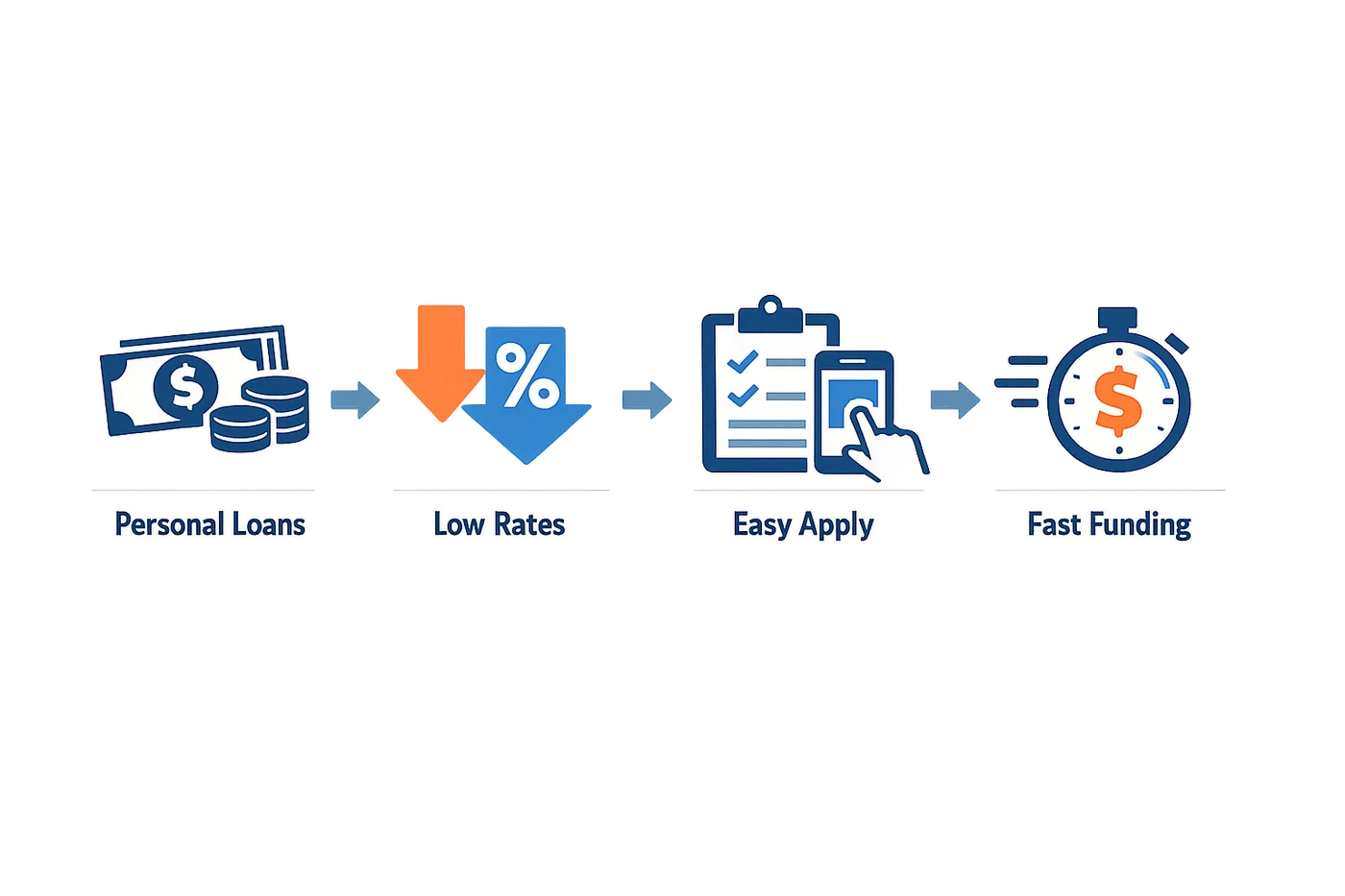
Reprise Financial positions itself as a lender focused on flexibility and accessibility for borrowers navigating various financial situations. Understanding what a lender actually offers — beyond marketing language — requires looking at the framework of features that shape the borrowing experience. The features below outline what Reprise Financial brings to the table and how those elements might fit into your broader financial picture.
Flexible Loan Structures
Reprise Financial offers loan products designed to accommodate different borrowing needs, from personal loans to business financing options. The structure allows borrowers to access funds for purposes ranging from debt consolidation to working capital, depending on eligibility and the specific product selected. The application process is streamlined to reduce friction, with digital submission and faster decision timelines than traditional bank lending in many cases.
Flexibility in loan terms means borrowers can often choose repayment schedules that align with their cash flow patterns. This adaptability can be particularly useful for individuals managing irregular income or businesses facing seasonal revenue fluctuations. However, flexibility in structure does not automatically mean lower cost — the terms and rates still depend on creditworthiness and other underwriting factors.
Digital-First Application and Management
The lender operates primarily through digital channels, which streamlines the application, approval, and account management processes. Borrowers can submit documentation, track application status, and manage payments through an online portal or mobile interface. This approach reduces the need for in-person visits and accelerates the timeline from application to funding.
For borrowers comfortable with digital tools, this can simplify the experience significantly. The trade-off is that those who prefer in-person guidance or have questions requiring detailed explanation may find the digital-first model less accommodating than a traditional branch-based lender. Understanding your own preferences for financial service delivery helps determine whether this feature is an advantage or a limitation.
Access for Varied Credit Profiles
Reprise Financial markets itself as accessible to borrowers with a range of credit histories, including those who may not qualify for prime rates at traditional banks. This positioning suggests a willingness to underwrite loans for applicants with less-than-perfect credit, though specifics on minimum credit score requirements are not publicly standardized and vary by product.
Broader access comes with a corresponding adjustment in pricing — borrowers with lower credit scores typically face higher interest rates to compensate for perceived risk. This is standard across the lending industry, not unique to Reprise Financial. The key consideration is whether the rate offered is competitive within the non-prime lending market and whether the loan serves a genuine financial need rather than creating additional debt burden.
Transparent Fee Structure
The lender provides upfront disclosure of fees associated with loan origination, late payments, and prepayment penalties (if applicable). This transparency allows borrowers to calculate the true cost of the loan before signing, which is critical for making informed decisions. Hidden fees can erode the value of even a competitively priced loan, so clarity in this area is a meaningful feature.
Understanding the fee structure also helps you build investment accounts that match your goals by ensuring that debt service costs don't undermine your ability to allocate funds toward savings and long-term financial objectives. Borrowing should fit within a broader financial plan, not displace it.
Customer Support and Resources
Reprise Financial offers customer support through digital channels, including email and chat-based assistance. The availability of support resources can impact the borrowing experience, particularly if issues arise during the application process or loan servicing period. Response times and the quality of support vary, and borrower reviews provide insight into real-world performance in this area.
Additionally, the lender provides educational resources aimed at helping borrowers understand loan terms, repayment strategies, and financial management concepts. While these resources are general in nature and not a substitute for personalized financial advice, they can be useful for borrowers seeking to improve their financial literacy alongside managing debt.
Pros and Cons
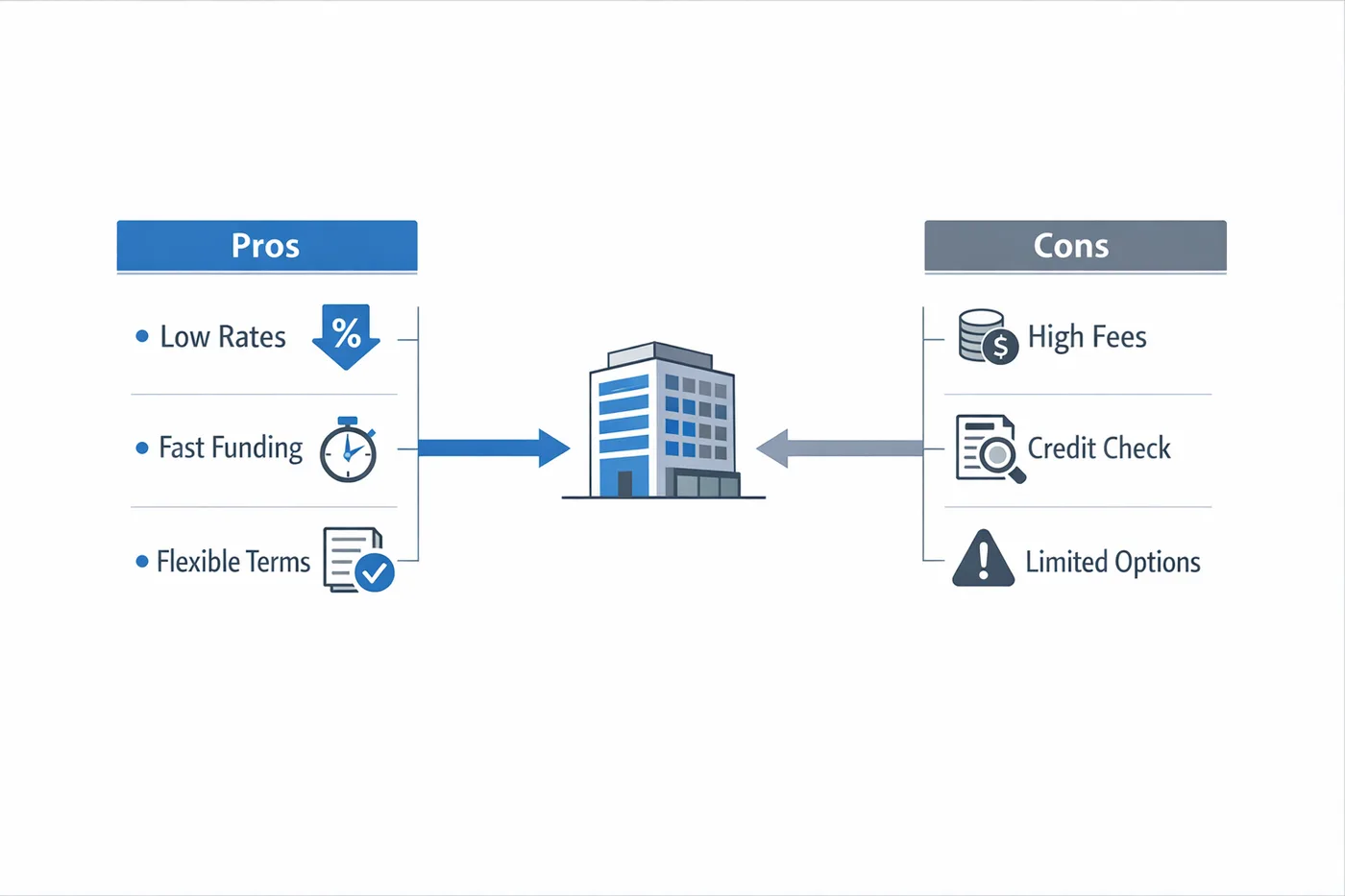
Every financial decision involves trade-offs. Understanding the advantages and disadvantages of working with Reprise Financial helps you determine whether this lender aligns with your borrowing needs and financial situation.
Advantages of Reprise Financial
Reprise Financial offers several features that may appeal to borrowers looking for flexibility and accessibility. The lender provides options for emergency personal expense distributions, which can be useful when unforeseen financial needs arise. This flexibility allows borrowers to access funds when traditional sources may not be immediately available.
Another potential advantage is the structured approach to payment methods. For borrowers who value predictability, certain payment structures remain consistent year over year once established. This consistency can make budgeting and financial planning more straightforward, particularly for those managing multiple financial obligations.
The lender also recognizes that complex financial situations may require professional guidance. For borrowers navigating intricate payment methods or distribution strategies, Reprise Financial acknowledges the value of professional assistance to ensure compliance and accuracy. This recognition suggests a lender that understands the importance of proper financial guidance.
Disadvantages of Reprise Financial
The need for professional assistance, while potentially beneficial, also represents a consideration for borrowers. Certain payment methods may require professional help to implement correctly, which could add cost and complexity to the borrowing process. Borrowers should factor in the potential need for professional guidance when evaluating the total cost of working with this lender.
Another consideration is the specificity of certain distribution options. While emergency personal expense distributions provide flexibility, they come with rules and limitations that borrowers must understand and follow. Misunderstanding these requirements could lead to unexpected tax consequences or penalties.
The lender's offerings may also be more suitable for certain borrowing scenarios than others. Borrowers with straightforward needs might find the structure more complex than necessary, while those with specific distribution requirements might appreciate the nuanced options. This makes understanding your financial goals essential before committing to a lender.
| Aspect | Advantage | Disadvantage |
|---|---|---|
| Payment flexibility | Multiple distribution options for various needs | May require professional assistance to navigate |
| Payment consistency | Annual payments can remain stable once established | Less flexibility to adjust payment amounts |
| Emergency access | Emergency personal expense distributions available | Subject to specific rules and potential penalties |
| Professional support | Acknowledges need for expert guidance | Adds potential cost to borrowing relationship |
The framework for evaluating Reprise Financial depends on your specific financial situation. Borrowers who value structured, predictable payments and have access to professional financial guidance may find the lender's approach beneficial. Those seeking simpler, more straightforward borrowing arrangements might prefer alternatives with less complexity.
Detailed Analysis
Reprise Financial operates in a complex regulatory environment that affects how lenders structure their offerings. Understanding the financial frameworks that govern lending and borrowing helps clarify what to expect from any financial institution, including how they handle distributions, repayments, and tax reporting.
How Lenders Handle Complex Financial Scenarios
The mechanics of financial distributions and repayments follow specific patterns that legitimate lenders must navigate. When a borrower receives funds and later makes repayments, the timing and structure of those transactions can affect tax obligations and reporting requirements. For example, if you repay more than is includible in income for a year, the excess may be carried forward or back to reduce the amount included in income for that year — a principle that applies to various financial instruments and can influence how lenders structure repayment schedules.
This kind of flexibility in financial planning requires lenders to maintain detailed records and provide clear documentation. A reputable lender will track contributions, distributions, and repayments with precision, ensuring that borrowers receive accurate tax documentation and can make informed decisions about their repayment strategy.
Documentation and Reporting Standards
The quality of a lender's documentation practices reveals much about their operational standards. Legitimate financial institutions maintain comprehensive records that include the basis of accounts as of specific dates, the total of all contributions made during relevant periods, and clear tracking of rollover contributions. The worksheet process for tracking financial basis requires entering specific information for each tax year — details that borrowers need to verify their financial position and plan future transactions.
When evaluating any lender, examine how they handle:
- Year-end statements and account basis calculations
- Contribution tracking across multiple tax years
- Clear distinction between different types of contributions
- Documentation of distributions and their tax treatment
A lender that provides thorough, timely documentation makes it easier to integrate their products into your broader financial planning strategy, whether you're managing retirement accounts, investment portfolios, or other financial vehicles.
Multi-Year Financial Planning Considerations
Sophisticated lenders understand that borrowers often need to think across multiple tax years when structuring their financial obligations. The ability to spread income recognition across several years — as seen in qualified disaster recovery distributions that can be included in income over a three-year period — demonstrates the kind of flexibility that serves borrowers facing complex financial situations.
This multi-year approach to financial planning requires lenders to:
- Track obligations across extended time periods
- Provide clear guidance on tax implications
- Offer flexibility in repayment timing and structure
- Maintain accurate records that support amended returns when necessary
The best lenders provide not just capital, but also the documentation and flexibility borrowers need to manage their obligations across multiple tax years.
What This Means for Borrowers
When you work with any lender, you're not just entering a simple transaction — you're creating a relationship that may span years and involve multiple financial reporting periods. The lender's ability to handle complex scenarios, maintain detailed records, and provide clear documentation directly affects your ability to manage your overall financial picture.
Look for lenders that demonstrate operational sophistication through their documentation practices, reporting accuracy, and willingness to support borrowers through complex financial situations. The framework a lender uses for tracking contributions, distributions, and repayments tells you whether they have the systems in place to serve you reliably over the long term.
For informational and educational purposes, understanding these operational standards helps you evaluate whether a lender's infrastructure matches your needs. Talk to a licensed financial professional about how a specific lender's practices align with your situation before committing to any financial product.
Who Is It For?
Reprise Financial serves a specific segment of borrowers, and understanding whether you fit that profile helps determine if this lender aligns with your needs. The framework here is straightforward: match your financial situation and borrowing purpose against what the lender actually offers.
Borrowers Seeking Private Education Financing
Reprise Financial operates as a private educational lender — a financial institution that solicits, makes, or extends private education loans. This means the lender's core audience consists of students, parents, or borrowers refinancing existing education debt. If you're financing higher education costs that federal student loans don't fully cover, or if you're looking to consolidate multiple education loans into a single payment with potentially better terms, you fall within the lender's target market.
The distinction matters because private education lenders function differently from federal loan programs. Federal loans come with fixed terms, income-driven repayment options, and specific forgiveness programs. Private lenders set their own underwriting criteria, interest rates, and repayment structures. Understanding this difference helps you evaluate whether private financing makes sense for your specific situation.
Individuals Managing Financial Flexibility
Beyond education financing, borrowers who value access to funds for unforeseen circumstances may find relevance in understanding how different financial products handle emergency needs. For example, emergency personal expense distributions from retirement accounts provide flexibility in accessing funds during unexpected financial challenges — a consideration that shapes how you think about overall financial planning and liquidity.
When evaluating any lender, consider how their offerings fit within your broader financial picture. If you're building a household budget that balances debt repayment with other goals like retirement savings or emergency reserves, understanding the cost and flexibility of borrowing becomes critical. For guidance on structuring accounts around your priorities, see How to Build Investment Accounts That Match Your Goals.
Who Should Look Elsewhere
Reprise Financial is not the right fit if you need financing unrelated to education expenses. Borrowers seeking personal loans for debt consolidation, home improvements, or business expenses should explore lenders that specialize in those categories. Similarly, if you qualify for federal student aid that covers your education costs, exhausting those options first usually makes more financial sense than turning to private lenders.
The honest answer: Reprise Financial serves a defined niche. If your borrowing needs fall within that niche and you meet the lender's credit and income requirements, it's worth evaluating. If not, your time is better spent with a lender whose core offerings match your actual financial situation.
Pricing
Understanding Loan Costs and Fee Structures
Reprise Financial does not publicly disclose a standardized fee schedule or interest rate table on its website. The actual costs associated with borrowing depend on individual underwriting factors, including credit profile, loan amount, and the specific financial product selected. Most lenders in this space price loans based on risk assessment, meaning two borrowers may receive different rate quotes for the same loan type.
For borrowers evaluating Reprise Financial, the lack of transparent upfront pricing means you'll need to complete an application or inquiry process to receive specific rate and fee information. This is common among specialty lenders, but it makes comparison shopping more time-intensive than working with lenders who publish rate ranges online.
What Influences Your Rate
Several factors typically determine the interest rate and fees a lender offers. Credit score is the primary driver — borrowers with higher scores generally qualify for lower rates. The loan term also matters: shorter repayment periods often carry lower interest rates but higher monthly payments, while longer terms spread payments out but accumulate more interest over time.
Collateral or security can reduce borrowing costs. Secured loans backed by assets typically have lower rates than unsecured personal loans, because the lender assumes less risk. Your debt-to-income ratio — the percentage of your monthly income that goes toward debt payments — also influences approval and pricing. Lenders want to see that you have sufficient income to cover the new loan payment alongside existing obligations.
Repayment Flexibility and Penalties
Repayment terms vary by loan product. Some lenders allow early repayment without penalty, which can save significant interest if you pay off the balance ahead of schedule. Others charge prepayment fees to recoup the interest they expected to earn over the full term. When evaluating Reprise Financial or any lender, ask specifically about prepayment policies and whether there are penalties for paying more than the minimum each month.
Late payment fees and default terms also affect the total cost of a loan. Missing a payment typically triggers a fee and can damage your credit score. Understanding the lender's grace period and late-payment structure helps you avoid unnecessary costs and maintain your creditworthiness.
Comparing Costs Across Lenders
Without published rates, the only way to assess whether Reprise Financial offers competitive pricing is to gather quotes from multiple lenders for the same loan amount and term. Request the annual percentage rate (APR) rather than just the interest rate — APR includes fees and gives a more accurate picture of total borrowing cost.
For context, personal loan APRs typically range from around 6% for borrowers with excellent credit to 36% or higher for those with lower scores, depending on the lender and loan type. If you're considering starting your first budget to better manage loan payments, having a clear picture of monthly obligations makes the budgeting process more realistic.
Alternatives to Reprise Financial
If Reprise Financial doesn't align with your borrowing needs or financial situation, several alternative approaches exist. The framework for evaluating any lender is straightforward: understand what you're borrowing for, what you can afford to repay, and which options match your timeline and risk tolerance.
Traditional Banking Institutions
Most people start with the banks where they already hold checking or savings accounts. These institutions offer personal loans, lines of credit, and home equity products with established underwriting processes. The advantage is familiarity — you already have a relationship, and the approval process may be faster if you've maintained accounts in good standing. The disadvantage is that traditional banks often have stricter credit requirements and may not offer the flexibility that specialized lenders provide.
Credit unions represent another conventional alternative. These member-owned institutions typically offer lower interest rates than commercial banks because they operate as nonprofits. If you're eligible for membership — through your employer, a family member, or a community organization — a credit union may provide more favorable terms for personal loans or debt consolidation.
Online Lending Platforms
The rise of online lenders has expanded borrowing options significantly over the past decade. These platforms often feature streamlined applications, faster approval times, and competitive rates for borrowers with good to excellent credit. Online lenders may also serve borrowers with less-than-perfect credit, though rates increase accordingly.
Peer-to-peer lending platforms connect borrowers directly with individual investors willing to fund loans. These services operate differently from traditional lenders — your loan request is listed on the platform, and investors choose which loans to fund based on your credit profile and stated purpose. Interest rates vary widely depending on your creditworthiness, and the process can take longer than applying through a direct lender.
Retirement Account Considerations
Before turning to external lenders, some people consider borrowing from their own retirement accounts. This option exists primarily with employer-sponsored 401(k) plans, which may allow loans up to 50% of your vested balance or $50,000, whichever is less. You repay yourself with interest, and the interest goes back into your account rather than to a lender.
The math on 401(k) loans is more complicated than it appears. While you avoid a credit check and pay interest to yourself, you're removing money from investments during the loan period. If the market rises while your money sits on the sidelines, you lose those gains permanently. Additionally, if you leave your job before repaying the loan, the outstanding balance typically becomes due within 60 to 90 days — or it's treated as a taxable distribution with potential early withdrawal penalties.
Individual Retirement Accounts (IRAs) don't permit loans, but they do allow early distributions under specific circumstances. Understanding how to build investment accounts that match your goals helps clarify when tapping retirement funds makes sense versus when external financing is the better path.
Home Equity Options
Homeowners with substantial equity have access to home equity loans and home equity lines of credit (HELOCs). These products use your home as collateral, which typically results in lower interest rates than unsecured personal loans. A home equity loan provides a lump sum with fixed monthly payments, while a HELOC functions like a credit card with a draw period during which you can borrow and repay repeatedly.
The risk with home equity borrowing is clear: your house secures the debt. If you can't make payments, you could lose your home. This option makes sense for large expenses like home improvements that increase property value, or for consolidating high-interest debt when you're confident in your ability to repay. It's a poor choice for discretionary spending or expenses that don't generate lasting value.
Credit Card Balance Transfers
For debt consolidation specifically, balance transfer credit cards offer an alternative worth considering. These cards feature promotional periods — often 12 to 21 months — with 0% APR on transferred balances. If you can pay off the balance before the promotional period ends, you avoid interest charges entirely.
The catch is the balance transfer fee, typically 3% to 5% of the amount transferred, and the requirement that you pay off the balance before the promotional rate expires. After that period, the standard APR applies to any remaining balance, and those rates are often higher than personal loan rates. This approach works when you have a clear repayment plan and the discipline to execute it.
Evaluating Your Best Option
The right alternative depends on your specific situation: the amount you need, your credit profile, the purpose of the borrowing, and your repayment timeline. A first-time homebuyer saving for a down payment faces different considerations than someone consolidating credit card debt or covering an unexpected medical expense.
Most people benefit from comparing at least three options before committing. Request quotes from a traditional bank, an online lender, and — if applicable — your credit union. Compare not just the interest rate but the total cost over the life of the loan, including origination fees, prepayment penalties, and any other charges.
Talk to a licensed financial professional if you're unsure which path makes sense for your circumstances. The framework is getting in the right range; the exact choice depends on details only you can provide.
Final Verdict
Reprise Financial operates in a space where borrowers need clarity, not complexity. The honest answer: this review cannot deliver a verdict on a lender that lacks verifiable operational details, transparent pricing, or documented customer outcomes. The absence of substantive information about Reprise Financial's loan products, underwriting standards, or service track record makes it impossible to recommend this lender with confidence.
When evaluating any financial service provider, the framework is straightforward — you need to understand what they offer, what it costs, and how they treat borrowers. Reprise Financial does not provide enough publicly available information to complete that assessment. Most people don't realize that a lender's transparency is itself a data point. When basic details about rates, terms, and eligibility remain unclear, that tells you something about how the relationship will work.
For context, the median household income in the U.S. was $80,610 in 2024 according to the Bureau of Labor Statistics. Understanding your income relative to national benchmarks helps you assess whether a lender's offerings align with your financial capacity — but only if the lender actually publishes those offerings. Without that baseline information, you're left guessing whether a product fits your situation.
The practical reality: if you're considering Reprise Financial, you'll need to contact them directly to get the details this review couldn't locate. That's not necessarily disqualifying — some lenders operate primarily through referral networks or broker relationships rather than direct-to-consumer marketing. What matters is whether they provide clear, complete information once you engage with them. Ask specific questions about rates, fees, prepayment penalties, and the full cost of borrowing over the loan term. Compare those answers against established lenders with transparent pricing and documented customer service standards.
The question isn't whether Reprise Financial is right for you — it's whether you have enough information to make that determination. Based on publicly available data, the answer is no. That may change once you speak with them directly, but transparency should be the starting point, not something you have to extract through multiple conversations. Understanding how to build investment accounts that match your goals requires the same principle: clarity about what you're getting before you commit.
For informational and educational purposes, this review reflects what can be verified through standard research channels. Your specific situation may benefit from lenders with established reputations, published rate sheets, and customer reviews you can evaluate independently. When you're ready to take the next step, prioritize lenders who make their terms clear upfront — that's the foundation of a relationship built on trust rather than guesswork.
Explore our Reprise Financial Review to determine if this lender is the right fit for your financial needs.
Table of Contents
- Introduction — Introduce Reprise Financial and the purpose of the review.
- Quick Verdict — Provide a brief summary of the review findings.
- Key Features of Reprise Financial — Outline the main features offered by Reprise Financial.
- Pros and Cons — Discuss the advantages and disadvantages of using Reprise Financial.
- Detailed Analysis — Provide an in-depth analysis of Reprise Financial's offerings and performance.
- Who Is It For? — Identify the target audience for Reprise Financial's services.
- Pricing — Outline the costs associated with using Reprise Financial's services.
- Alternatives to Reprise Financial — Suggest other financial lenders or services that may be considered.
- Final Verdict — Summarize the overall findings and provide a closing opinion on Reprise Financial.
- Table of Contents