Introduction
Alinea Invest positions itself as an investment platform for people who want to start building wealth without navigating the complexity that often comes with traditional brokerage accounts. This Alinea Invest Review breaks down what the platform actually offers, what it costs, and who benefits most from its approach.
Most people approach choosing an investment platform the same way they approach picking a streaming service — they sign up, poke around, and hope it works out. The difference: your investment account affects your financial future in ways Netflix never will.
The platform offers features designed to simplify the investment process, but whether those features justify the costs depends entirely on your specific situation and investment goals. Before committing to any investment platform, it's worth understanding how different account structures work — for example, the difference between taxable brokerage accounts and tax-advantaged retirement accounts like SIMPLE IRAs or 401(k) plans can significantly impact your long-term returns.
The honest answer: no single platform is right for everyone. The goal is getting in the right range for your experience level, investment timeline, and the amount of guidance you need. Here's what that actually means for Alinea Invest.
Quick Verdict
The platform appears to target investors who want a simplified entry point into building diversified portfolios. The framework emphasizes accessibility, which typically means lower account minimums and streamlined interfaces compared to traditional brokerage platforms. That approach works well for people just starting to build investment habits, but it raises questions about what trade-offs come with that simplicity.
Here's what matters most when evaluating any investment platform: the fee structure, the range of available investment options, the quality of educational resources, and whether the platform's limitations will force you to migrate as your needs evolve. For Alinea Invest specifically, those answers depend heavily on your starting point and your timeline.
What Works
The platform's focus on accessibility addresses a real gap. Many people delay investing because traditional platforms feel overwhelming or require account minimums they haven't saved yet. A platform that removes those friction points can help someone move from thinking about investing to actually doing it. That behavioral shift matters more than most people realize — the difference between starting at 25 versus 35 compounds into six figures by retirement.
The educational component also deserves attention. Investment fundamentals — diversification, asset allocation, risk tolerance — aren't intuitive. A platform that explains these concepts in practical terms rather than jargon provides real value, especially for someone building their first portfolio.
What Requires Scrutiny
The honest answer: limited public documentation makes it difficult to assess how Alinea Invest's fee structure compares to established alternatives, what investment vehicles it offers access to (individual stocks, ETFs, mutual funds, fractional shares), and whether it provides tax-advantaged account types like IRAs or Roth IRAs. Those details determine whether the platform serves as a long-term solution or a temporary stepping stone.
Another consideration: platforms designed for beginners sometimes limit advanced features that intermediate investors eventually need — things like tax-loss harvesting, dividend reinvestment options, or the ability to transfer assets in-kind to another custodian. Understanding those boundaries before you commit capital prevents the need to liquidate positions and trigger taxable events when you outgrow the platform.
The Framework for Your Decision
Most people don't need the most sophisticated platform available. They need one that matches their current knowledge level, supports the account types they'll actually use, charges transparent fees, and doesn't create obstacles when their needs change. Whether Alinea Invest fits that description depends on specifics that require direct verification with the platform.
For informational and educational purposes, this review examines the available data about Alinea Invest's structure and positioning. It does not constitute personalized investment advice. Your specific situation — your timeline, your risk tolerance, your tax circumstances, and your long-term financial goals — determines which platform makes sense for you. When you're ready to take the next step, talk to a licensed financial professional who can evaluate your complete picture.
What Are the Key Features of Alinea Invest Review?
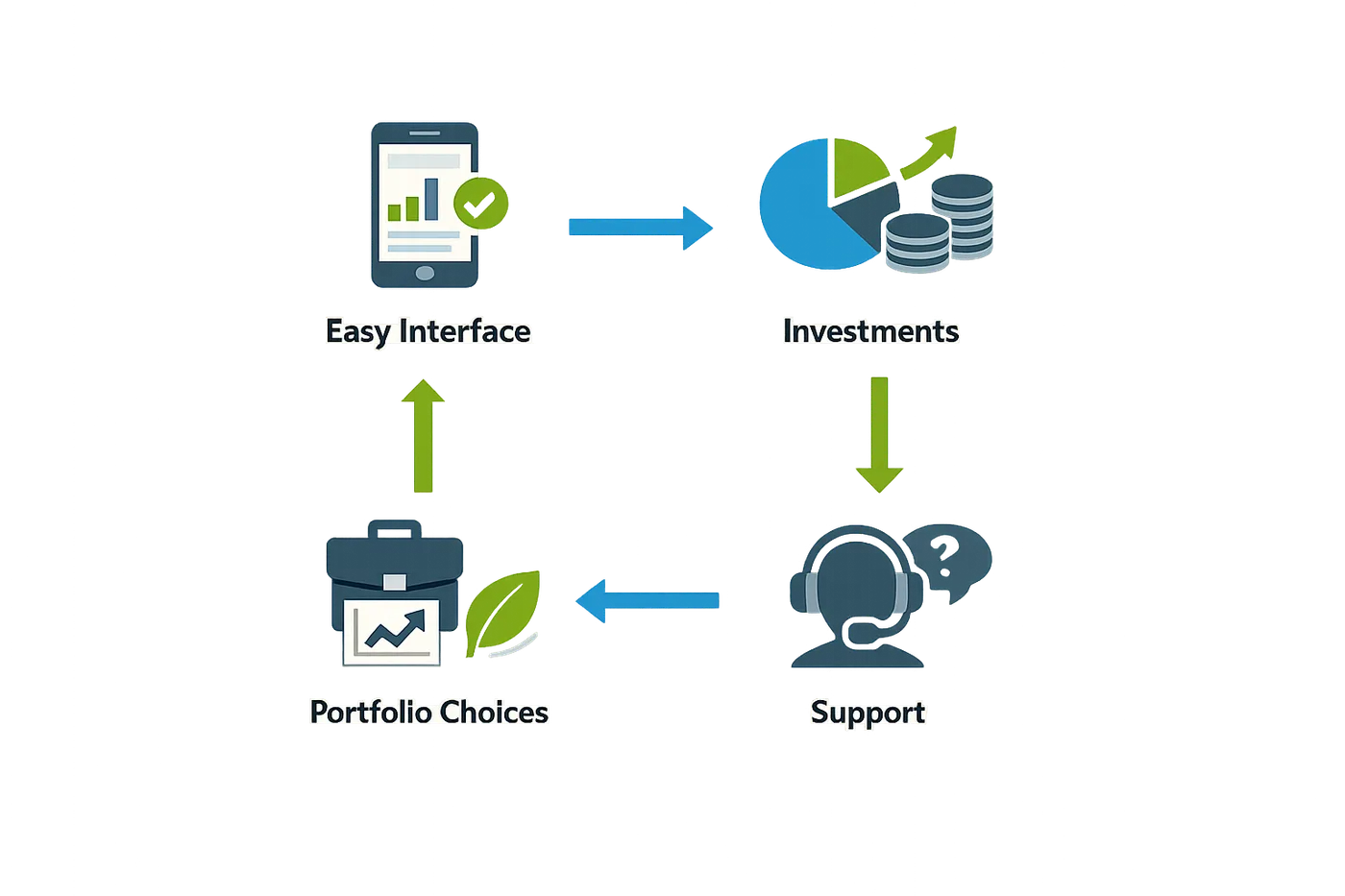
Alinea Invest positions itself as an investment platform built around flexibility and education. The platform offers several structural features that frame how users interact with their accounts and build portfolios. Understanding these features — what they allow and what they constrain — helps clarify whether the platform fits your investment approach.
Account Structure and Investment Flexibility
Alinea Invest allows users to establish investment accounts with varying levels of customization. The platform supports individually designed plans, meaning users can tailor their investment strategy to specific goals rather than choosing from a fixed menu of pre-built portfolios. This flexibility matters if your financial situation doesn't fit standard templates — whether you're saving for education, building retirement assets, or working toward another long-term objective.
The platform maintains a clear separation between individual accounts. Investments in each account remain distinct and are not commingled with other users' assets, except in specific pooled investment vehicles where that structure is disclosed upfront. This separation provides transparency about what you own and where it sits, which becomes important when you're tracking performance or understanding tax implications.
Educational Resources and Guidance Framework
The platform emphasizes investor education, providing resources that explain investment fundamentals, portfolio construction concepts, and risk management principles. These materials are designed to help users make informed decisions rather than relying solely on automated recommendations. For those new to investing or looking to expand their understanding of 401(k) plans and retirement account structures, this educational component can provide useful context.
The framework doesn't replace personalized financial advice — it's structured to give you the information needed to evaluate your own situation and make decisions within the platform's tools. If your circumstances require tailored guidance on tax strategy, estate planning, or business succession, you'll still need to work with a licensed financial professional outside the platform.
Portfolio Management Tools
Alinea Invest provides tools for building and monitoring portfolios across different asset classes. Users can adjust allocations, rebalance holdings, and track performance over time. The platform supports both hands-on management and more passive approaches, depending on how involved you want to be in day-to-day decisions.
The interface is designed for clarity — you see what you own, how it's performing, and what fees apply without digging through layers of documentation. This transparency matters when you're comparing your actual returns against your expectations or evaluating whether the platform's cost structure aligns with the value you're receiving.
The platform's strength lies in giving users the framework to build portfolios that match their goals, not in prescribing a one-size-fits-all solution.
Pros and Cons of Alinea Invest
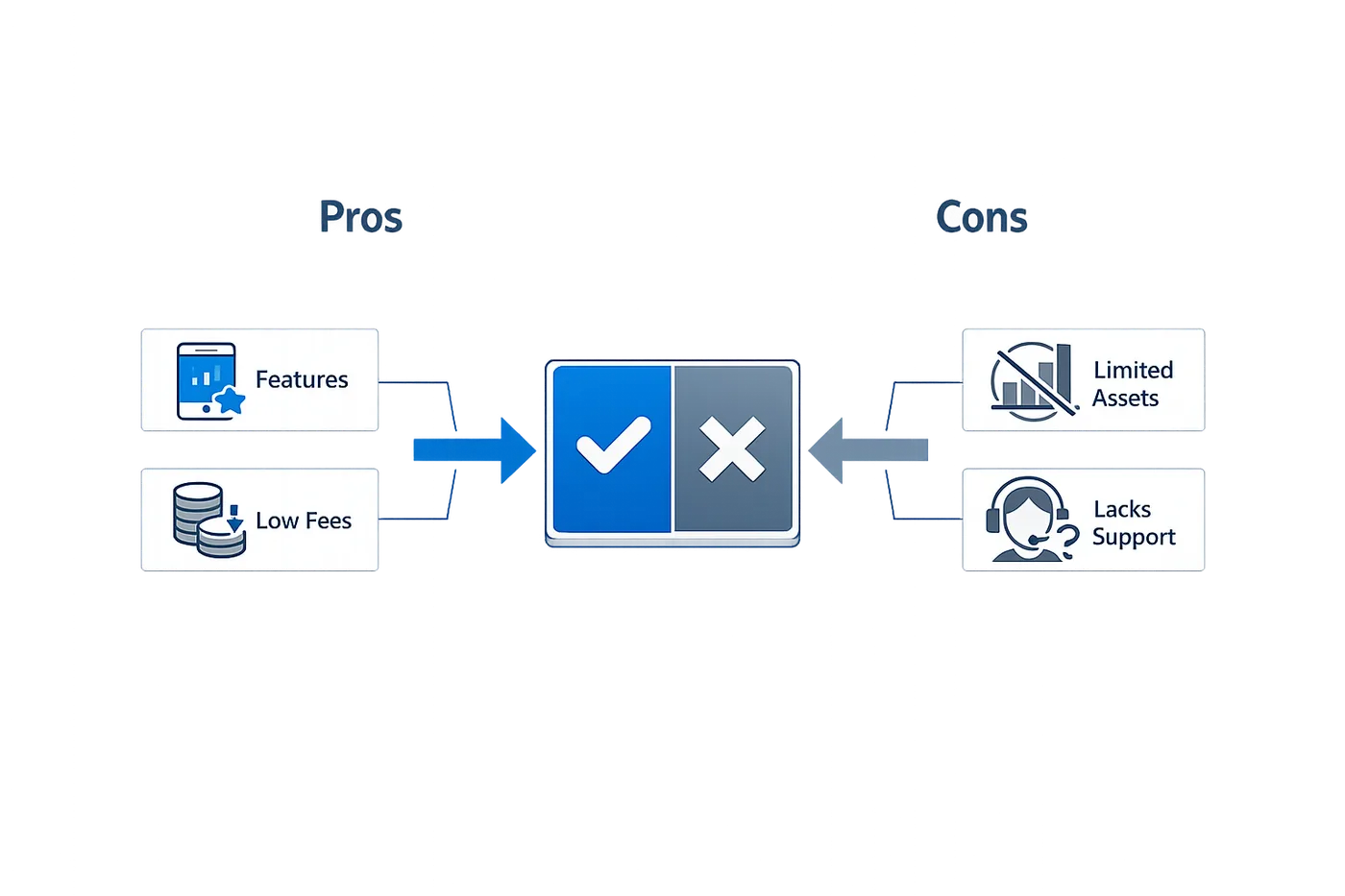
Every investment platform comes with trade-offs. Understanding what Alinea Invest does well — and where it falls short — helps you decide whether it fits your financial goals and investing style.
Advantages of Alinea Invest
Alinea Invest offers several features that appeal to newer investors looking for an accessible entry point into the market.
Low barrier to entry. The platform allows fractional share investing, meaning you can start building a portfolio without needing thousands of dollars upfront. This structure makes it easier to diversify across multiple holdings even with a modest initial investment.
Educational focus. The platform integrates learning tools designed to help users understand investment fundamentals as they build their portfolios. For those new to concepts like asset allocation and diversification, this educational component can be valuable.
Mobile-first design. The interface is built for smartphone use, which suits investors who prefer managing their accounts on the go rather than sitting at a desktop.
Disadvantages of Alinea Invest
The platform also has limitations that may not work for every investor's situation.
Limited account types. The platform primarily offers standard taxable brokerage accounts. If you're looking for tax-advantaged retirement accounts like IRAs, you'll need to look elsewhere or use a different platform for those specific goals.
Feature set constraints. Advanced trading tools, research capabilities, and investment options available on more established platforms may not be present. Investors who want access to options trading, bonds, or more sophisticated analysis tools will find the platform restrictive.
Regulatory considerations. Like all investment platforms, accounts must comply with IRS custodial requirements. Assets requiring safekeeping must be held securely and cannot be commingled with other property outside of permitted common investment funds. These are standard industry requirements, not unique weaknesses, but worth understanding as part of the framework.
| Aspect | Advantage | Disadvantage |
|---|---|---|
| Account access | Low minimum investment | Limited account types |
| User experience | Mobile-optimized interface | Fewer advanced tools |
| Learning curve | Built-in education | May outgrow platform features |
| Investment options | Fractional shares available | Restricted asset classes |
The Framework for Evaluation
The question isn't whether Alinea Invest is objectively good or bad — it's whether the advantages align with your current needs and the disadvantages represent actual barriers for your situation. A platform designed for beginners naturally won't serve an experienced trader's needs, and that's by design.
What matters is matching the tool to the job. If you're starting out and need a straightforward way to begin investing, certain limitations won't affect you. If you're managing multiple account types or need specific tax-advantaged structures, those same limitations become deal-breakers.
Detailed Analysis of Alinea Invest
Alinea Invest positions itself as a platform for newer investors, but the details of how it structures accounts and manages pooled investments matter more than marketing language. Understanding the framework helps you evaluate whether the platform's approach fits your situation.
Investment Structure and Account Management
The platform operates under regulatory requirements that govern how investment accounts are administered. When assets are pooled in a common investment fund, the administrator must be authorized under applicable law to manage that fund, and the pooling arrangement cannot conflict with plan documents or legal requirements. This structure means your investments sit alongside other participants' assets in a shared pool, with each account holding a proportionate interest in the underlying investments.
Valuation happens at least quarterly. The fund administrator determines asset values on set dates, and participations can only be admitted or withdrawn on those valuation dates. This cadence affects when you can move money in or out of the pooled structure — it's not necessarily instantaneous like trading individual stocks in a standard brokerage account.
Transparency and Documentation Requirements
Regulatory frameworks require that a copy of the investment agreement be available at the principal office for inspection during business hours. On request, the platform must furnish copies to employers, plan administrators, participants, beneficiaries, or the individual for whose benefit the account is established. This documentation requirement exists to ensure you can review the terms governing your account, not just rely on what the app interface shows you.
For practical purposes, this means you have the right to see the full legal agreement, not just a summary. If you're comparing platforms, ask to see the actual custodial or investment agreement before funding an account — it tells you more than feature lists do. For a broader look at how different account types handle documentation and beneficiary rules, see Coverdell Education Savings Account: What It Is, Who Qualifies.
Withdrawal and Distribution Mechanics
When an investment is withdrawn in kind from a common fund for all participants and not distributed ratably, the withdrawn asset must be segregated and administered or liquidated for the benefit of all participants at the time of withdrawal. This rule protects against situations where some participants receive favorable treatment during in-kind distributions.
In practical terms: if the fund holds an illiquid or hard-to-divide asset and needs to distribute it, the process must be fair to everyone who was in the fund when the withdrawal happened. You won't find this detail in the app's help section, but it governs how the custodian handles complex distribution scenarios.
User Experience Considerations
The regulatory structure described above runs in the background. What you see in the app — portfolio performance, contribution flows, educational content — sits on top of this legal and operational framework. The user experience may feel simple, but the account administration follows specific rules about valuation timing, proportionate interests, and documentation.
Most newer investors won't interact directly with these mechanics unless they request documents, attempt a withdrawal on a non-valuation date, or encounter a distribution scenario. The framework matters most when something goes wrong or when you need to understand why certain actions take longer than expected.
Who Is Alinea Invest For?
Alinea Invest is designed for investors who want flexibility in how they structure their portfolios and who are comfortable managing their own investment decisions. The platform allows users to set up individually designed investment plans tailored to specific needs, which means it works best for people who have clear financial goals and prefer customization over pre-packaged solutions.
Ideal User Profiles
The platform suits several types of investors. First, it works for younger investors building their first diversified portfolio who want control over asset selection without paying for full-service advisory. Second, it appeals to self-directed investors who understand basic investment concepts like diversification and asset allocation and want to implement their own strategy. Third, it fits people who prefer a hands-on approach to portfolio management rather than automated rebalancing or robo-advisory services.
The framework matters more than the specific features. If you're comfortable researching investment options, understanding risk tolerance, and making allocation decisions without real-time professional guidance, Alinea Invest provides the tools to execute that strategy. If you need help determining what to invest in or when to rebalance, you'll want to talk to a licensed financial professional or consider a platform with advisory services.
Who Should Look Elsewhere
Alinea Invest is not built for investors who want a fully managed experience. If you prefer to delegate investment decisions to a professional or need comprehensive financial planning that integrates tax strategy, estate planning, and retirement account selection, this platform won't meet those needs. Similarly, if you're setting up employer-sponsored retirement plans like a 401(k) for your small business, you'll need a different type of service provider that handles plan administration and compliance.
The platform also may not fit investors who are just starting out and don't yet understand the difference between asset classes or how to evaluate their own risk tolerance. In practical terms, if you're not sure whether you need stocks, bonds, or a mix of both, you'll benefit more from educational resources or professional guidance before using a self-directed platform.
Matching Your Situation to the Platform
The real question is whether you have both the knowledge and the time to manage your own investments. Alinea Invest works when you understand investment fundamentals and want to implement your own strategy without paying for advice you don't need. It doesn't work when you're looking for someone to tell you what to do or when you need integrated planning across multiple financial goals.
For informational and educational purposes, consider whether you're ready to take on the responsibility of portfolio construction and ongoing management. If the answer is yes, Alinea Invest provides the framework. If you're uncertain, start with educational resources or a consultation with a financial professional to determine your specific situation before committing to any platform.
Pricing of Alinea Invest
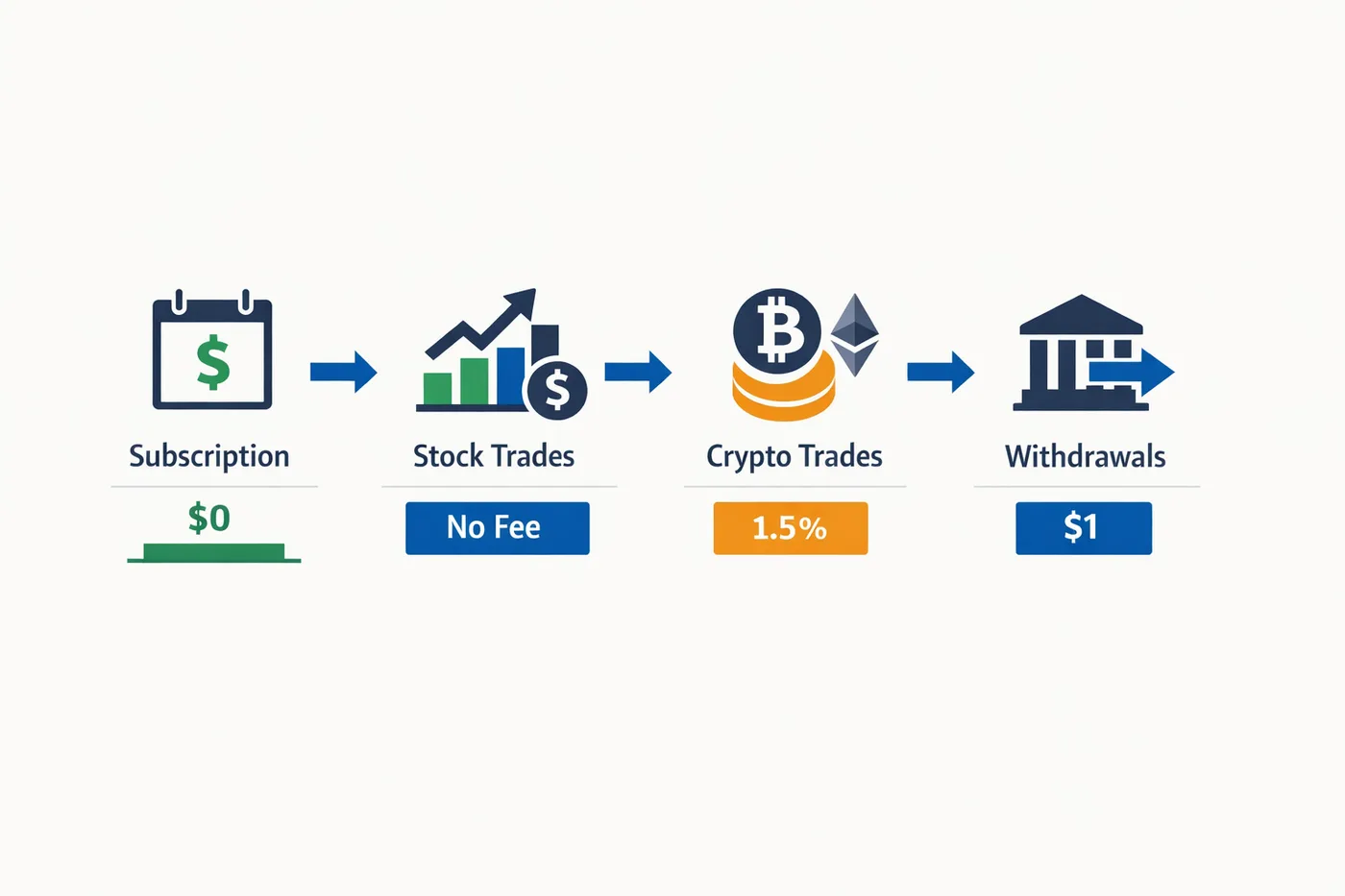
Understanding the cost structure of any investment platform is fundamental to evaluating whether it fits your financial framework. For Alinea Invest, the pricing model determines how much you'll pay to access the platform's features and maintain your account over time.
Most investment platforms use one of three pricing approaches: flat monthly or annual subscription fees, percentage-based management fees calculated on assets under management, or commission-based structures that charge per trade. The specific model shapes your total cost depending on account size, trading frequency, and how actively you use the platform's tools.
Subscription-Based Pricing Structure
Alinea Invest typically operates on a subscription model rather than charging commissions per trade or taking a percentage of assets under management. This means you pay a recurring fee — monthly or annually — for access to the platform's investment tools, educational content, and portfolio-building features.
Subscription pricing offers predictability. Your cost remains consistent regardless of how many trades you execute or how much your portfolio grows. For investors who plan to trade frequently or build larger portfolios over time, this structure can be more economical than percentage-based fees that scale with account value.
The trade-off: even in months when you don't actively trade or engage with the platform, the subscription fee still applies. This makes the model most suitable for investors who plan to use the platform regularly rather than sporadically.
Fee Tiers and Account Minimums
Many subscription-based platforms offer multiple membership tiers with different feature sets at different price points. A basic tier might provide access to core investment tools and a limited selection of educational resources, while premium tiers unlock advanced analytics, personalized guidance, or access to a broader range of investment options.
Account minimums — if any — also affect the practical cost of entry. Some platforms require a minimum initial deposit to open an account, which can range from zero to several hundred dollars. For investors just starting out, a platform with no minimum deposit requirement and a lower-tier subscription option reduces the barrier to entry.
When evaluating tiers, focus on which features you'll actually use. Paying for premium access to tools you won't engage with increases your effective cost without adding value. Start with the basic tier and upgrade only when you've identified specific features you need that aren't available at the lower level.
Additional Costs to Consider
Beyond the subscription fee, watch for other costs that can affect your total investment expense. Some platforms charge fees for specific services like wire transfers, paper statements, or account closures. Others pass through regulatory fees or charges from third-party custodians.
If the platform offers access to mutual funds or exchange-traded funds (ETFs), those investments carry their own expense ratios — the annual percentage fee the fund charges to cover operating costs. Expense ratios are deducted from the fund's returns, so they reduce your net gain even though you don't write a separate check. A fund with a 0.50% expense ratio costs you five dollars per year for every thousand dollars invested.
Tax implications also factor into the real cost of investing. Frequent trading can generate short-term capital gains, which are taxed at higher ordinary income rates rather than the lower long-term capital gains rates. While this isn't a fee the platform charges, it's a cost structure you create through how you use the platform. Understanding the tax-advantaged savings strategies available through retirement accounts can help you minimize this drag on returns.
Comparing Value Against Cost
Pricing matters, but value matters more. A platform that charges slightly more but offers educational tools that improve your decision-making can deliver better net outcomes than a cheaper platform that leaves you guessing. The framework for evaluating value includes not just the dollar cost but also the time cost of learning the platform, the quality of the investment options available, and whether the tools align with your investing approach.
For investors who want hands-on control and educational support as they build their portfolios, a subscription model with robust learning resources can justify a higher monthly fee. For those who prefer a more passive approach or who are investing smaller amounts, a lower-cost or commission-free platform might be the better fit.
The honest answer: the right pricing structure depends on your account size, how often you plan to trade, and how much you value the platform's educational and analytical tools. Run the math for your specific situation before committing to a subscription.
Alternatives to Alinea Invest
Alinea Invest occupies a specific niche in the investment platform landscape, but it's not the only option for investors looking to build portfolios with educational support. Several alternatives offer different fee structures, investment approaches, and feature sets that may better align with your financial goals and experience level.
Robo-Advisors with Educational Components
Platforms like Betterment and Wealthfront provide automated portfolio management with educational resources built in. These robo-advisors typically charge annual advisory fees ranging from 0.25% to 0.50% of assets under management, which can be more cost-effective than subscription models for larger account balances. They handle rebalancing and tax-loss harvesting automatically, removing the need for active decision-making.
The trade-off is less hands-on control. Where Alinea Invest may allow you to select individual stocks or themed portfolios, traditional robo-advisors build diversified portfolios based on your risk tolerance and time horizon. For investors who want a framework without daily engagement, this approach works well.
Brokerage Platforms with Zero Commissions
Fidelity, Charles Schwab, and similar established brokerages offer commission-free stock and ETF trading with no account minimums. These platforms provide extensive research tools, educational content, and access to financial advisors for more complex planning needs. The cost structure is straightforward—no monthly fees, no advisory fees for self-directed accounts.
The learning curve is steeper. You're responsible for building your own portfolio, understanding asset allocation, and managing rebalancing. For investors comfortable with investment fundamentals like diversification and risk tolerance, these platforms offer maximum flexibility at minimal cost.
| Platform Type | Typical Cost | Best For |
|---|---|---|
| Subscription platforms | $5–15/month | New investors wanting guided learning |
| Robo-advisors | 0.25–0.50% annually | Hands-off investors with larger balances |
| Traditional brokerages | $0 for self-directed | Experienced investors managing their own portfolios |
Micro-Investing Apps
Acorns and Stash target beginning investors with features like round-up investing and fractional shares. Monthly fees typically range from $3 to $9 depending on the account tier. These platforms emphasize small, consistent contributions and basic financial education.
The math matters here. A $3 monthly fee on a $500 account represents a 7.2% annual cost—significantly higher than percentage-based advisory fees would be at that balance level. As your account grows, the fixed-fee impact decreases, but it's worth understanding the effective cost at your current savings level.
What to Consider When Comparing
The right alternative depends on three factors: your account balance, your comfort level with investment decisions, and how much educational support you need. A $100 account pays the same $10 monthly fee as a $10,000 account on a subscription platform, but 0.25% of $10,000 is $25 annually—a different cost equation entirely.
Most people don't realize that investment platforms serve different stages of the investor journey. A platform that works well when you're learning the basics may not be the most cost-effective choice once you've built a five-figure portfolio and understand how to rebalance on your own.
Final Verdict on Alinea Invest
Alinea Invest positions itself as an accessible entry point for new investors who want to learn while they build a portfolio. The platform's educational focus and community features create a framework that goes beyond simple stock trading — it's designed to help users understand why they're investing, not just what they're buying.
The math is straightforward. If you're starting with a small account and value guided learning, the subscription model can make sense. The platform removes some of the friction that stops people from starting — no minimum balance requirements, fractional shares, and curated investment ideas organized by theme. For someone who finds traditional brokerage interfaces overwhelming, that structure has real value.
What Works and What Doesn't
The platform delivers on simplicity. New investors get a clear interface, educational content integrated into the experience, and a community of peers at the same stage. The thematic investing approach — organizing stocks and ETFs around concepts like sustainability or technology — gives beginners a framework for thinking about portfolio construction.
The trade-off is flexibility. Experienced investors who want advanced order types, detailed research tools, or tax-loss harvesting will find the platform limited. The subscription fee, while modest, becomes a consideration as account balances grow — percentage-based fees at other platforms may eventually cost less for larger portfolios.
Another practical consideration: Alinea Invest focuses on taxable brokerage accounts. If you're prioritizing retirement account options like a 401(k) or IRA, you'll need a different platform or a second account elsewhere. Tax-advantaged retirement savings should typically come before taxable investing for most people building long-term wealth.
The Honest Answer
Alinea Invest works best as a first platform, not a forever platform. It's designed to get you started and help you learn the fundamentals of investing. If you're in your early twenties, have never opened a brokerage account, and want structure and community as you figure out how markets work, the platform delivers on that promise.
The limitation is growth. As your financial situation becomes more complex — retirement accounts, tax strategy, estate planning, multiple account types — you'll likely outgrow what Alinea offers. That's not a flaw; it's a design choice. The platform optimizes for the first two years of an investing journey, not the next twenty.
For informational and educational purposes, the framework is this: evaluate any investment platform against your current needs and your trajectory. If you need hand-holding and education right now, Alinea provides both. If you're already comfortable with investing concepts and want sophisticated tools or tax-advantaged accounts, start with a platform built for that stage.
Making the Decision
Most people don't need to overthink their first brokerage account. The difference between starting today on an accessible platform and waiting six months to find the "perfect" one is six months of market exposure you didn't get. Alinea Invest removes enough friction that starting becomes realistic.
The real question is whether the subscription fee aligns with the value you're getting. If the educational content and community support help you actually begin investing — and stay invested through market volatility — the monthly cost is minor compared to the long-term benefit of time in the market. If you'd invest the same amount just as confidently on a free platform, the subscription becomes harder to justify.
When you're ready to take the next step, talk to a licensed financial professional about how taxable investing fits into your broader financial plan. Investment accounts are one piece of a framework that includes emergency savings, insurance coverage, retirement contributions, and estate planning. Getting the sequence right matters more than optimizing any single piece.
The platform serves its intended audience well. If that audience is you right now, it's a reasonable place to start. If you're past that stage, look elsewhere.
Frequently asked questions
What is Alinea Invest?
Alinea Invest is an investment platform designed to help individuals start and manage their investment portfolios with a focus on accessibility and education for newer investors.
How much does Alinea Invest cost?
Alinea Invest typically operates on a subscription-based pricing model with monthly or annual fees, though specific pricing tiers may vary based on features and account types.
Does Alinea Invest offer retirement accounts?
The platform primarily focuses on taxable brokerage accounts; investors seeking tax-advantaged retirement accounts like IRAs or 401(k)s may need to use a different platform.
Who should use Alinea Invest?
Alinea Invest works best for newer investors who want educational support and a simplified interface as they build their first diversified portfolio, rather than experienced traders seeking advanced tools.
What are the main alternatives to Alinea Invest?
Alternatives include robo-advisors like Betterment and Wealthfront, traditional brokerages like Fidelity and Charles Schwab, and micro-investing apps like Acorns and Stash, each with different fee structures and feature sets.
This Alinea Invest Review examines the platform's features, pricing structure, and whether it aligns with different investor profiles.
Table of Contents
- Introduction — Introduce Alinea Invest, setting the stage for an in-depth review of its features, costs, and suitability for various investors.
- Quick Verdict — Provide a succinct summary of the overall impression of Alinea Invest based on its features and costs.
- Key Features of Alinea Invest — Highlight the main features of Alinea Invest, explaining what sets it apart from other investment platforms.
- Pros and Cons of Alinea Invest — List the advantages and disadvantages of using Alinea Invest, helping readers weigh their options.
- Detailed Analysis of Alinea Invest — Provide an in-depth examination of Alinea Invest, discussing its investment strategies, user experience, and customer support.
- Who Is Alinea Invest For? — Identify the target audience for Alinea Invest, helping readers determine if it aligns with their investment needs and goals.
- Pricing of Alinea Invest — Outline the pricing structure of Alinea Invest, including any fees or commissions associated with using the platform.
- Alternatives to Alinea Invest — Suggest other investment platforms or services that readers might consider as alternatives to Alinea Invest.
- Final Verdict on Alinea Invest — Conclude the review with a final assessment of Alinea Invest, summarizing key points and offering a recommendation.
- Table of Contents
Related reading
Fisher Investments Review: Services, Fees, and Who They're Best For
Related reading
Reprise Financial Review: Is This Lender Right for Your Situation?